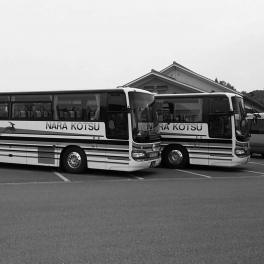
日帰りバスツアーの保険の必要性を感じていないという方が多く見受けられますが、日帰りバスツアーといえども、旅行にトラブルは起こりえます。また、国内であれば治安も安全だと思われがちですが、事故や事件が発生しないという保証はありません。
そこで、安心してバスの旅を楽しむために必要な保険について見ていきましょう。
バスツアーの保険とは?
安心して手軽に旅行ができる日帰りバスツアーは、旅行会社やバス会社などからも様々なプランが提供されています。人気のバスツアーですが、気をつけたいのが旅先でのトラブル。万が一、バスに乗っている時に事故に遭遇した場合、バス会社の加入している保険で補償されます。
バスに係る保険は、自動車保有者が強制的に加入している自賠責保険、任意に加入する自動車保険があり、バス料金に組み込まれているため改めて利用者が保険料を負担することはありません。また、旅行会社では支払額は大きくありませんが、旅行業約款の特別補償規定によって定められている補償を行っています。
特別補償規定では、カバンなどの携行品の破損なども補償の対象となっています。ただし、破損の状態や状況によっては補償を受けられない場合があるなど規定があるので注意が必要です。保険金の支払額は旅行会社によって異なる場合もあり、補償もバスに乗ってから降りるまでのツアーの最中に起きたことだけが補償の対象です。
一方、バスツアーを申し込むときに、利用する人が任意で加入するのが国内旅行傷害保険です。国内旅行傷害保険は、自宅を出発してから帰宅するまでと補償の範囲が拡がります。旅行会社の特別補償に加えて補償の範囲が拡がることは安心感が増しますね。
星空を見にいきましょう。日帰りバスツアーが連れて行ってくれます。
旅先で多いトラブル
楽しい旅行中に事故やケガは避けたいものです。しかし、思わぬところで転んでしまったり骨折したりしてしまうこともあります。旅の目的がスキーや登山、サーフィンなどアクティブなものであれば尚更です。雨天時の濡れた路面で滑ってしまう、階段で足を踏み外すなど観光中や移動中のケガは意外と多いものです。
また、カメラを落として壊してしまう、財布やカバンを盗まれてしまうなどのトラブルも見受けられます。旅先のトラブルは、自分が被害にあうだけではありません。他人にケガをさせてしまったり、展示品などの物を壊してしまったりという賠償責任が発生することもあります。
旅行保険の補償範囲
旅行中の事故やケガ、盗難などを補償してくれる国内旅行傷害保険は、業者によって保険料に差がありますが、数百円程度からの掛け金で旅行の補償をしてくれます。旅行保険は、旅先での事故やトラブルによる死亡や後遺障害、入院や通院、賠償責任や携行品の補償、救済者費用など補償内容は多岐にわたります。
そのため、補償金額が大きいプランや補償内容の選び方によっては保険料が高くなります。
国内旅行傷害保険が役に立つ時とは?
テレビなどで、スキーなどのレジャーによる事故のニュースがありますよね。海や山に限らず、観光地や移動中の事故のニュースなども後を絶ちません。ニュースにならなくても事故やケガは多いですし、土産物店などで商品を壊してしまうことも少なくないでしょう。
登山などでケガをすると救助が必要なこともあります。安全に気をつけて行動していても、天候や環境で自分が被害者にも加害者にもなるリスクはつきものです。通院や入院に思わぬ費用が掛かる場合、保険から入院費用などが補償されるのは事故が起きてしまった時には心強いのではないでしょうか。
団体で旅行する場合には、様々な人が一緒になるため危険な行為に巻き込まれることもあり得ます。
保険を選ぶポイント
国内旅行傷害保険は、保険会社によって保険料や補償内容も変わるため、いざ選ぶ時に迷ってしまいますね。保険会社に任せると、不要な補償まで加えられるかもしれません。バスツアーを選ぶ時には、バス会社や旅行会社の保険の情報の有無もチェックしてみましょう。
そのうえで、国内旅行傷害保険のプランを選択するのも、国内旅行傷害保険を選ぶ方法のひとつです。また、自分が納得できる保険を選ぶためにも、保険会社を比較してみることも必要です。
比較するポイントは「補償内容に何を求めているか?」が大事です。旅行費用を節約したい時には保険料の安さが大きなポイントになるでしょう。万が一、ケガなどで入院や通院が必要になっても、治療費が払える見込みがあるというのであれば、安い保険料のプランを選ぶこともひとつの方法です。
ただし、保険料によって補償額や補償の内容が変動するので気をつけましょう。
保険会社によっては、18歳以上などの加入年齢に制限を設けているプランもあります。小さな子供や高齢者と一緒のバスツアーの場合には、加入できない人がいないようにツアー参加者の年齢と保険プランを確認することが大切です。
また、高額なカメラなどを持参する場合には、携行品の補償を厚くしたプランを選ぶこともポイントです。旅の目的や参加するメンバー、持って行くものなどに留意して、保険のプランを検討しましょう。
国内旅行傷害保険の加入方法
国内旅行傷害保険は、大きく分けて旅行会社で加入する方法とインターネットによる加入方法の2つの選択肢があります。旅行会社が主催のバスツアーの場合は、旅行会社で加入する方が多く見受けられます。大手の旅行会社であれば子会社が損害保険会社であったり、旅行保険の代理店になっていることも多く、バスツアーの申し込みと一緒に手続きができるという手軽さがあります。
国内旅行傷害保険の申し込みを検討している時は、ツアーの申し込みをする際に相談してみると良いですね。ただし、保険のプランに制限があって希望のプランが見当たらない時は、他の保険を検討してみましょう。インターネットで「国内旅行傷害保険」を検索すると、多くの保険会社がでてきます。
その中から、気に入った補償内容や保険プランを見つけることができます。その場合は、ある程度の補償や保険の知識がないと何を基準に選んだらよいか迷ってしまうかもしれません。保険料と補償内容のバランスをみながら比較すると良いでしょう。
快適なバスツアーのために必要な保険
国内旅行傷害保険は、利用する人が任意で加入するものなので強制ではありません。事故やケガがなく保険を使うことがないのが一番良いのですが、万が一に備えることで、安心して旅を楽しむことができます。安心して快適な旅を楽しむためにも国内旅行傷害保険に加入をすることをおすすめします